
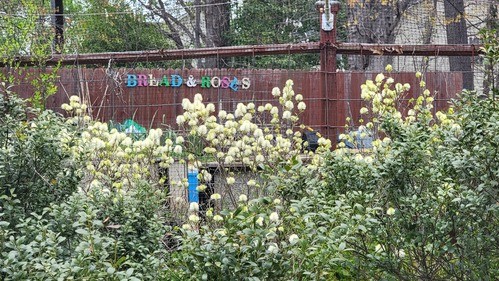
The Bread & Roses gardens and landscape cover nearly two acres of land surrounding the church. The area abounds with native and edible plants that have been carefully selected to provide food, shelter and habitat for native insects and pollinators (such as bees and butterflies), as well as for birds, reptiles, mammals and humans. This approach helps maintain habitat biodiversity and enables the insects to pollinate the crops grown in the garden.
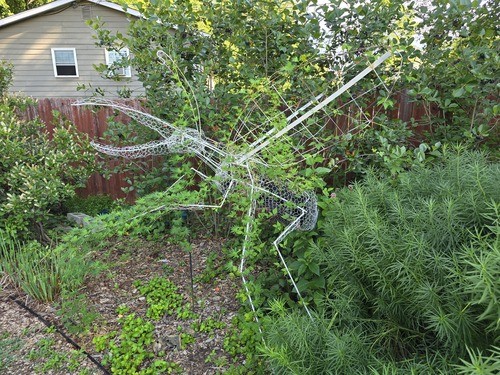
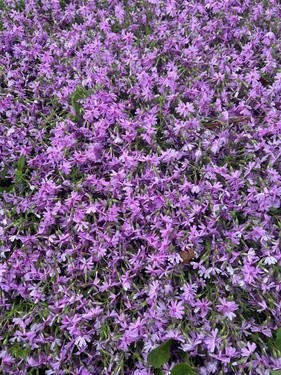
Flowering Plants
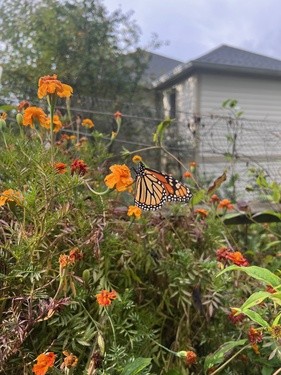
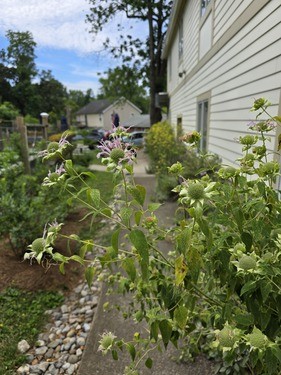
A visitor to Trinity will be sure to notice the abundance of flowering plants that adorn our landscape. Echinacea, mountain mint, milkweed, black-eyed Susans, vervain, salvia and hydrangea provide a feast for human eyes, and for our smallest visitors, another kind of feast altogether.
Native Wildlife
Native bees, butterflies and moths, grasshoppers, ants, earwigs, wasps and aphids all rely on our plants to thrive. We are all connected in God’s creation, and in the gardens, we can see our interconnection come to life.
A Thriving Ecosystem
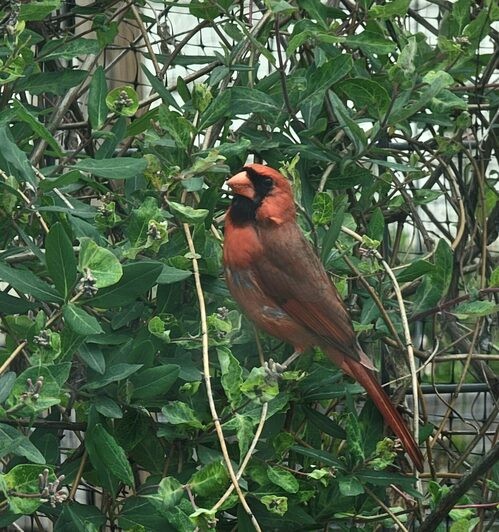
Garden insects pollinate the vegetables we grow for our neighbors. Flowering plants such as the purple coneflower produce pollen and nectar that feed bees and butterflies. Birds feed on the insects and caterpillars. And during the winter, when the blooms have faded, gold finches feast on the seeds that remain on the dry flower stems.